
Coffee and ‘chili crab’ ice cream: How luxury fashion brands like Coach are capturing Asian consumers

More fashion brands are opening cafes and restaurants in Asia stores.
Kemal Yildirim | E+
In Singapore, a Ralph Lauren corduroy letter jacket commands nearly SG$900, but a vanilla latte at its in-store cafe is a relative steal at SG$9. This contrast underscores a strategic pivot in the retail sector, as iconic houses expand beyond traditional merchandise into cafes and restaurants, particularly in Asian markets.
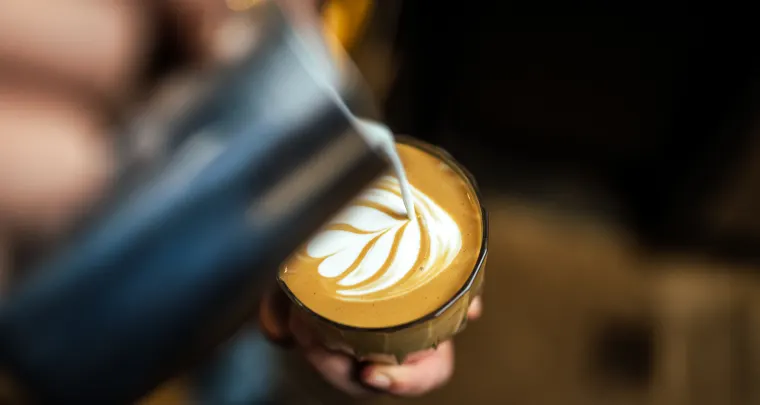
The move is a direct response to a new generation of consumers who prioritize experience and community alongside ownership. "Gen Z, across the globe, really focus on self-expression," Coach CEO Todd Kahn told CNBC. "The cafes [are] really about extending that self-expression, that idea of community."
From Cake to Coffee: The New Entry Point
The traditional first luxury purchase—a keychain or a pair of sunglasses—is being supplemented by more affordable, Instagram-ready experiential offerings. At Coach's new Singapore cafe, a "chilli crab" soft serve topped with a branded mantou bun has become a viral sensation, generating free marketing. Coach's culinary foray, which began in Asia, will see it open a branded steakhouse at Singapore's Jewel Changi Airport in October.
Company data has shown that coffee shops are "probably the best format for us," Kahn said. These cafes are profitable on their own and, more importantly, boost core retail sales. "Where we have a coffee shop, we've seen somewhere between 15% and up to 35% better results in the core shop," he noted, as companions have a place to wait, allowing shoppers more time to browse. Coach plans to open over 100 coffee shops globally in the next four years as part of this experiential retail push.
Navigating a Shifting Luxury Landscape
This strategy arrives amid a complex backdrop for the global luxury market. While industry profits nearly tripled from 2019 to 2024, consultancy McKinsey notes about 80% of that growth came from price hikes, not increased demand. Bain & Company reported a 2% sales dip in 2024, marking the sector's first real-term slowdown in 15 years outside the pandemic.
Kahn positioned Coach's accessible price point—with the bulk of products between $300 and $500—as a deliberate contrast to soaring European luxury prices. "I don't feel good about having to tell somebody you should save four months of salary to buy a handbag," he stated. Yet, the brand's vision extends beyond capturing Gen Z. "Soon, we'll be talking about Gen Alpha," Kahn added, signaling a long-term play to cultivate the next wave of consumers through memorable brand experiences that start with a latte or a steak, not a handbag.
Recent
News




Newsletter
Subscribe to our mailing list to get the new updates!

Subscribe our newsletter to stay updated
Most
Reviews
Finance

- Sat, 24 Jan 2026
Who can take the credit for taming Trump?
Politics

Top Stories

Finance
Finance

- Mon, 26 Jan 2026